

Bulgaria's parliament has voted through changes to the Civil Procedure Code meant to protect people from so-called SLAPP lawsuits. The justice committee passed the government's bill at second reading.
The changes bring in an EU directive that protects people active in public life from lawsuits with no real grounds, filed just to silence them. The code now has a separate chapter with special rules for cases brought over what a defendant said or did in public.
The law also spells out what counts as "public participation": statements and actions tied to freedom of speech and information, freedom of the arts and science, and freedom of assembly and association, when the issue is one of public interest.
Courts will be able to throw out a claim early if it is clearly groundless. Defendants get extra safeguards too, for cases where the two sides are not on equal footing, where a claim is excessive or unjustified, where someone faces multiple or coordinated lawsuits, or where there is intimidation or harassment. The safeguards also kick in if someone abuses their legal rights, picks a court just to pressure the defendant, or tries to discredit them.
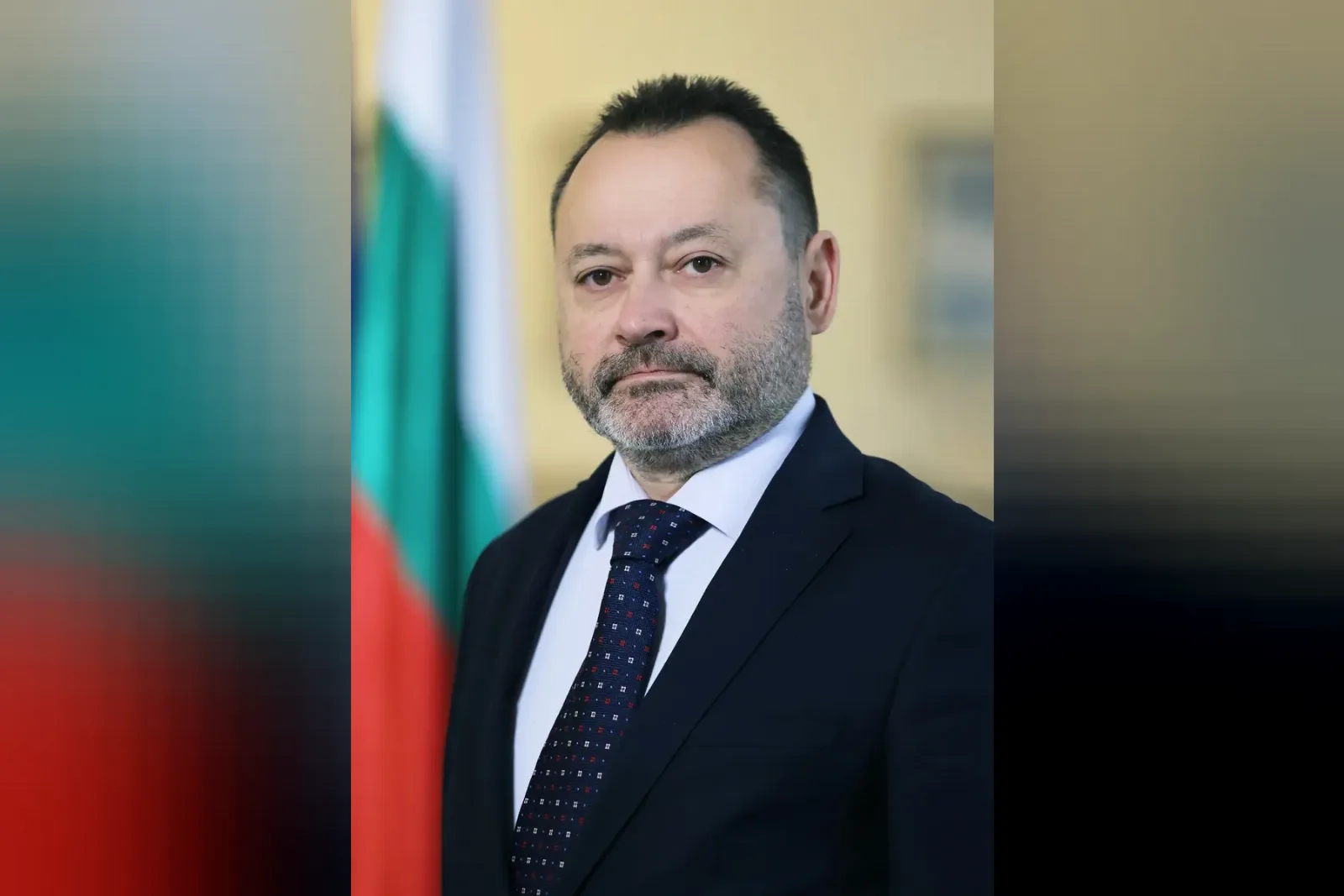
Justice minister Nikolay Naydenov told MPs about SLAPP suits — strategic lawsuits against public participation. He said their real aim is not to defend a violated right: long proceedings and legal costs instead pile reputational or financial pressure on the defendant.
Naydenov said the protection covers everyone who relies on freedom of speech and information, not just journalists and media outlets. He said he hopes it will do more to shield journalists, human rights defenders and scientists.
The changes still need a final vote in parliament.
Updated (30.09, 13:09): MPs approved extra rules for the new chapter of the Code of Civil Procedure on second reading. The rules will also apply to cases already in court, including on appeal, and a defendant can ask for them to apply before the hearing ends. Courts will be able to gather evidence on their own, while non-profit groups, professional bodies and trade unions will be able to submit evidence to back the defendant. Courts will not be allowed to freeze a defendant's assets without solid written evidence, and a defendant will be able to ask the court to cover expected legal costs and provide a free lawyer.





Comments (0)
No comments yet.