

More Bulgarians say aggression has become more common over the past three years: 53% hold that view, according to a nationwide survey by the Trend research centre. For 96%, aggression is a serious problem for society, and almost half think a slap is an acceptable way to bring up a child.
Evelina Slavkova of Trend presented the results at the BTA National Press Club. Researchers interviewed 800 people face to face from 5 to 18 September 2026. Among those who think aggression has grown, people in the capital and in larger cities are more numerous.
Two thirds of respondents call the problem very serious, while 3% think the opposite. Aggression is most common in the street and in public places (52%), followed by the road (50%), family and home (42%), school (39%) and bars or clubs (33%).
One in four has been a target of aggression on the road, and one in three has changed their behaviour out of fear. Over the past year, 35% have often or sometimes avoided places because they worry about aggression, while another 35% say this has not happened to them. Slavkova said the second answer is more common among men.
Over the past 12 months, people most often saw shouting or a threatening tone (62%). Next come harsh insults, swearing and humiliating words (53%), aggression on the road (48%), threats (30%), deliberate shoving (24%), and a slap or another form of violence (18%). Asked about footage of real physical violence in the news or on social media over the past year, 36% said they watched it very often and 44% often.
People form their picture of aggression mostly from television, news sites and other media (74%). Next come what they see in daily life (46%), social media (41%), conversations with other people (29%), cases involving relatives or acquaintances (24%) and personal experience (16%).
On whether a slap is sometimes an acceptable way to bring up a child, 14% fully agree, 32% somewhat agree and 21% fully disagree. 40% think aggressive behaviour is sometimes necessary so that others do not take advantage of them. More than 30% see nothing wrong with filming a physical attack instead of stepping in or seeking help.
More than half say fear for their own safety would stop them from reporting a crime or helping as a witness. For 64%, the threat to safety from so-called "locals" (violent local gangs) is very serious or fairly serious, while 30% cannot say.
Respondents name these causes of repeated aggression: problem use of alcohol and drugs (64%), the belief that aggression brings status or respect (57%), and an environment where violence is normal (54%). More than half also point to the belief that violence has no real consequences.
Young people who repeatedly act aggressively need, above all, a supportive family and social environment (57%). Next come chances for education, development and work (45%), understanding the consequences of their own behaviour (41%) and access to psychological support (35%). Participants named five priorities for curbing aggression: prevention and early help for alcohol or drug use, a stronger police presence and faster response, early support for families and children at risk, tougher penalties for serious or repeated violence, and more chances for education, work and sport.
Slavkova said people reject aggression but still use it, and that this is a contradiction. She called the data a red light for the institutions.
Psychologist Mladen Vladimirov called it frightening that people do not believe they will get help from an institution. "We must ask ourselves whether institutions will be able to protect them if they report a crime," he said.
The psychologist said big cities carry aggression because of urbanisation and anonymity, and that society is ready for prevention and psychological work. Young people have a right to every emotion, but not to every kind of behaviour, he said.
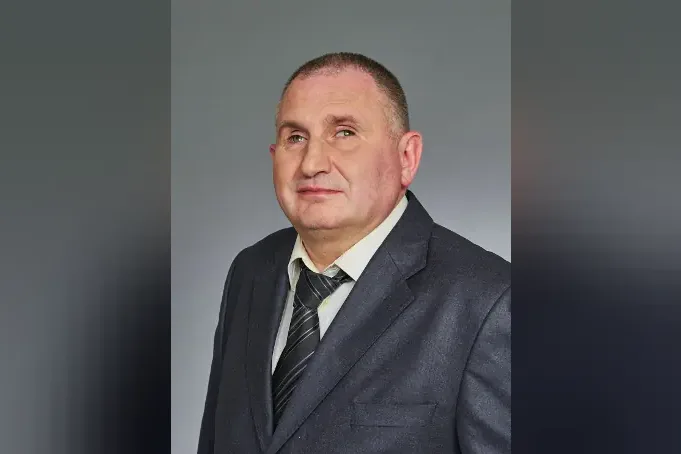
MP Miroslav Ivanov said representatives of many institutions, ready to work over a long period, must take part in the discussion, and he called for an analysis of the impact of youth policies. He doubts that more than a third of young people know about youth centres. Few of them realise what their aggressive actions mean and what consequences they may have for themselves and their families.
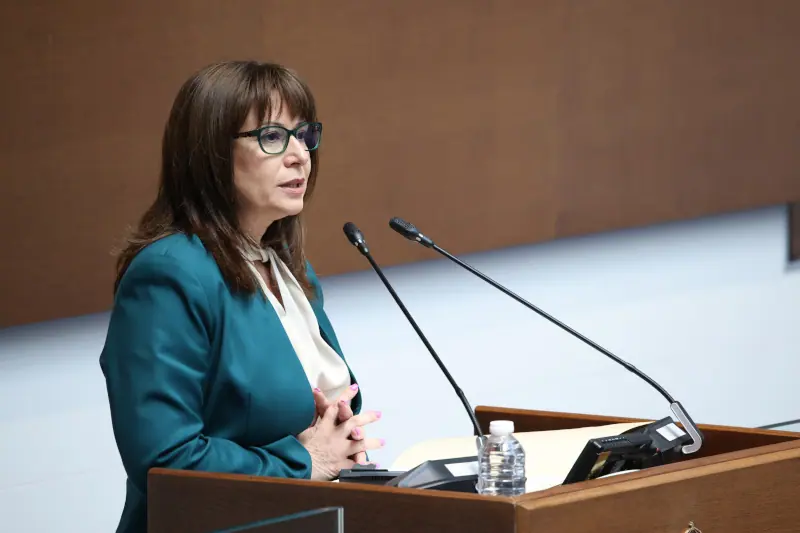
Madlen Mitova of the Ministry of Youth and Sports said she is worried that 42% approve of aggression at home. In her view, institutions cannot step into the family, but they can act in the social environment, and for 15- to 18-year-olds prevention through sport is the main key.
The ministry has a programme to fund youth centres, where young people learn social skills, teamwork and mutual respect. Mitova said the centres will get a place in law through legal changes, so that their funding is secured.




Comments (0)
No comments yet.