
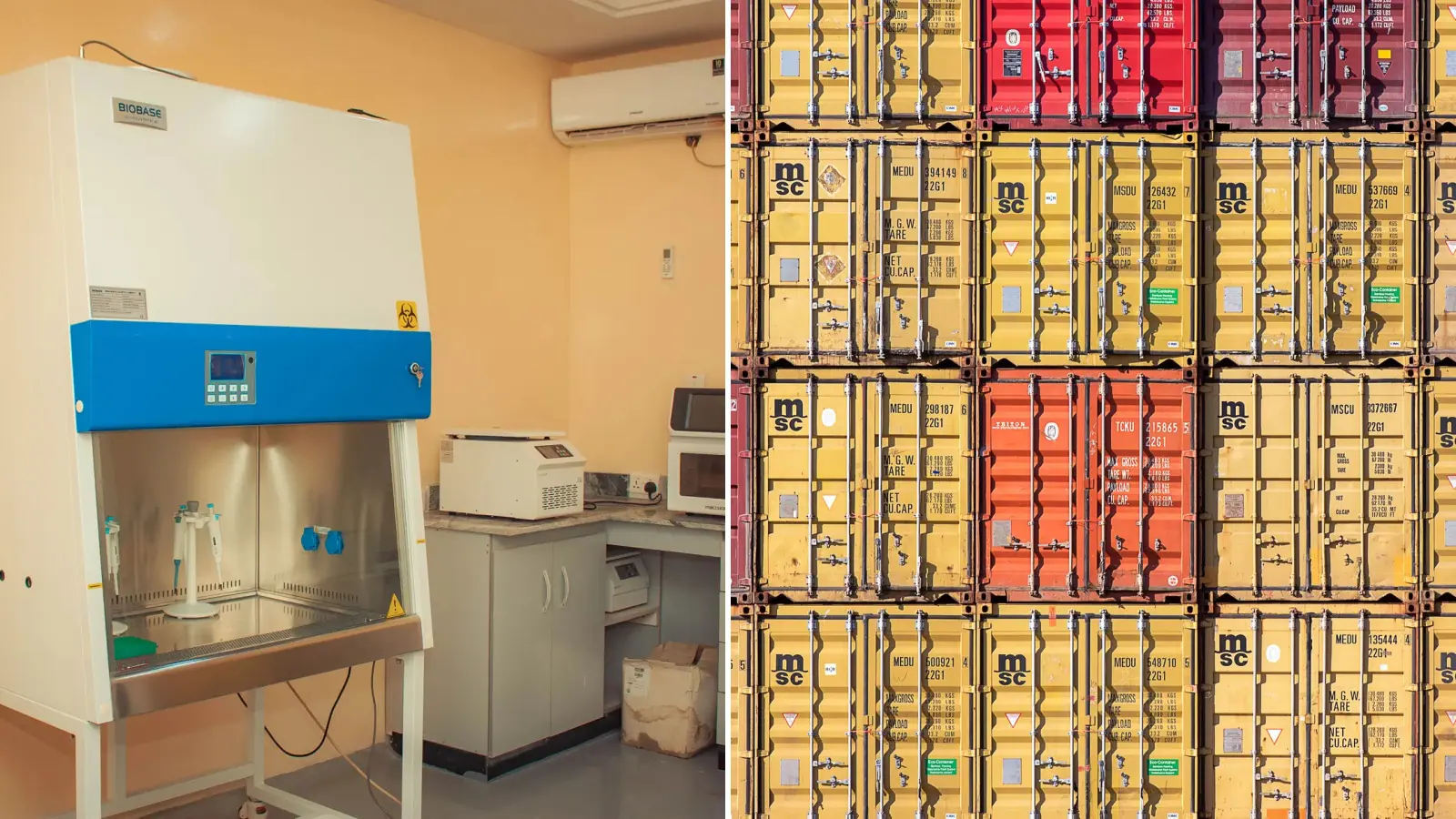
Bulgaria's food safety agency (BABH) said it refused entry to 46 shipments from non-EU countries in September, with more than 204 tonnes of goods in total. The reasons were pesticides, ochratoxin A and aflatoxins in food, as well as problems with paperwork and identification.
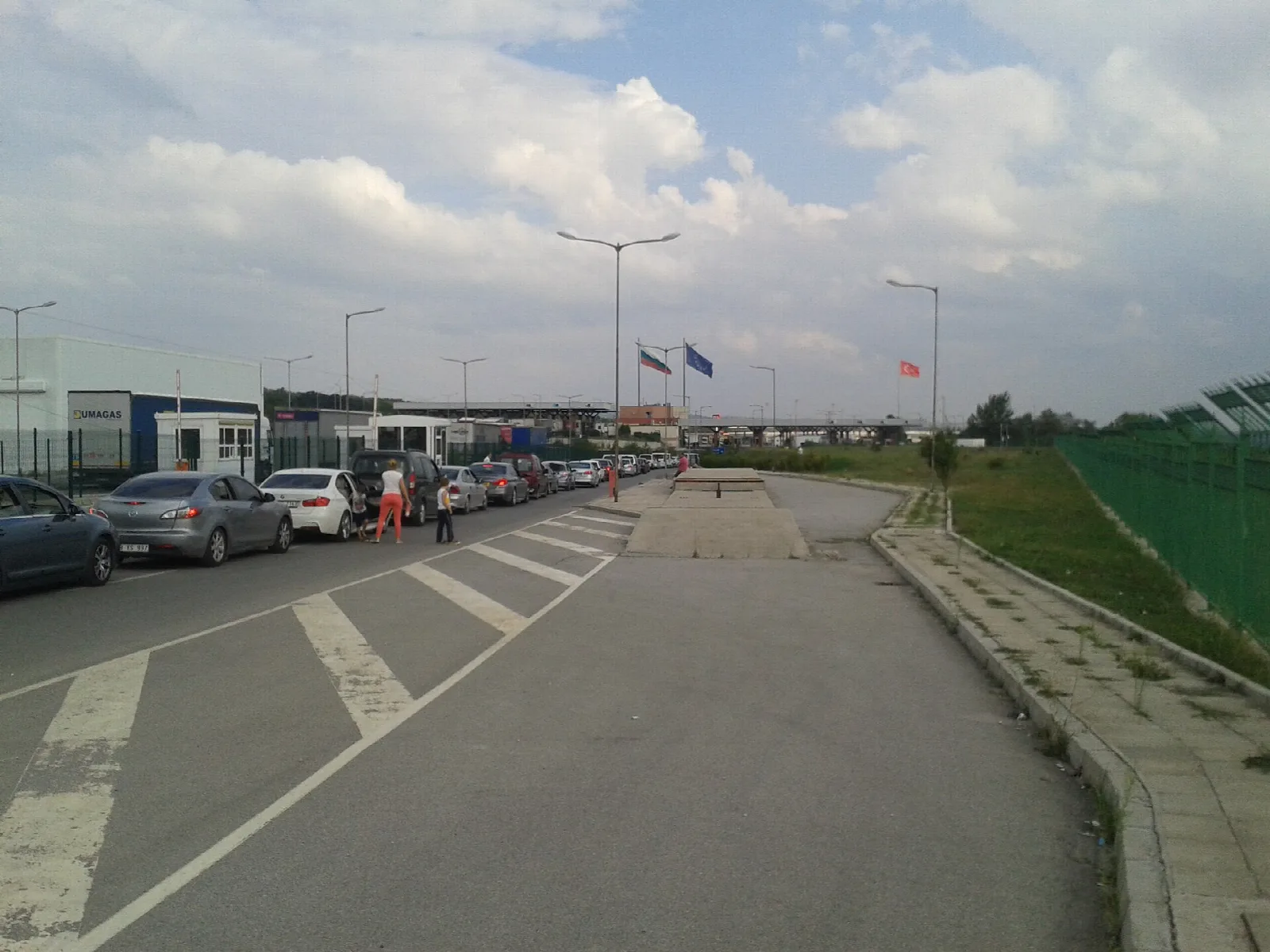
Inspectors check goods at eight approved border control posts, which belong to the Border Control directorate at BABH's head office. Official checks have been stepped up for now, and emergency measures apply to food and feed of non-animal origin meant for the EU. The European Commission's Rapid Alert System for Food and Feed (RASFF) has logged 32 notifications.
Among foods of non-animal origin, pepper, tomatoes and pomegranates had pesticide residues above the limit. Dried figs were contaminated with ochratoxin A and aflatoxins, and peanuts with aflatoxins.
In plant health checks, hazelnuts, fruit and vegetables failed identification, and nutmeg was stopped after its paperwork failed inspection. Wooden packaging was refused entry because it lacked the ISPM 15 mark, the international standard for plant health measures on such material in global trade. Farm machinery was rejected after its documents failed a check.
Among animal products, yoghurt failed an identification check, while fish products and food supplements had problems with their documents.
BABH says the checks are constant, to keep non-compliant and potentially dangerous food and feed out of the EU, keep the food chain safe and protect consumers.
In August, by comparison, the agency refused entry to 30 shipments with more than 213 tonnes of goods from non-EU countries.



Comments (0)
No comments yet.