
Bulgaria's economy will grow 3% this year, up from the 2.6% the finance ministry forecast in spring. The ministry published its autumn outlook on its website on Monday.
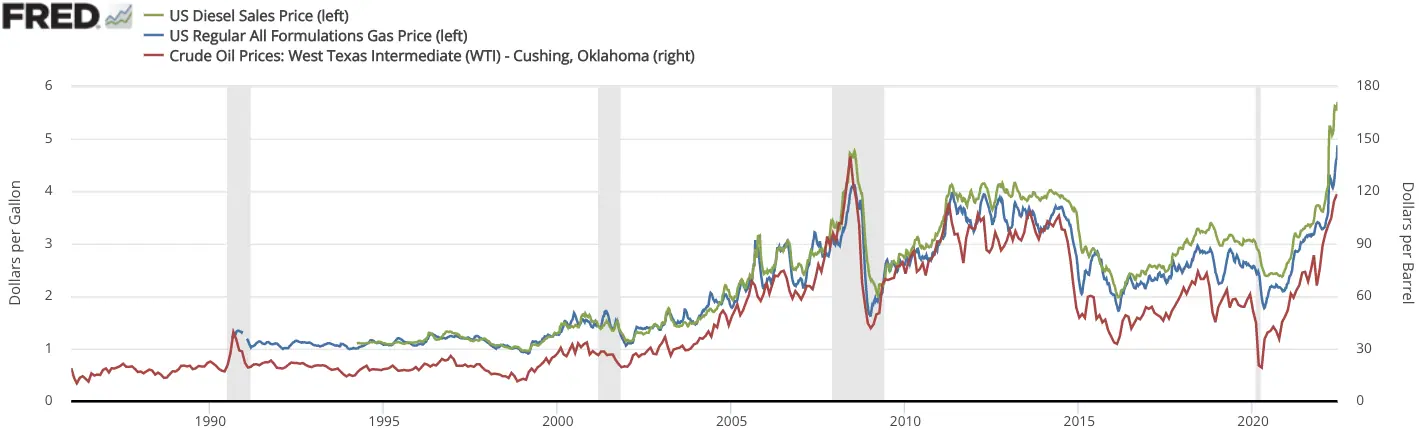
Faster growth comes with higher prices. The ministry now expects average inflation for 2026 to hit 4.8%, up from the 4.3% it forecast in spring. It blames rising fuel prices for the jump.
The ministry has cut its forecasts for the following years. Gross domestic product will grow 2.5% in 2027, the same as it forecast in spring. For 2028 and 2029 it now expects growth of 2.4% each year, down from the earlier estimates of 2.5% and 2.6%.
Inflation will ease gradually. The finance ministry expects it to reach 4% in 2027, up from the 3.8% it forecast in spring. For 2028 it expects 2.6%, and for 2029, 2.4% — both above the 2.5% it had forecast for each year in spring.
Employment will rise 0.5% this year and 0.2% in 2027, while unemployment will stay near 3.4% until the end of the forecast period. Average pay per worker rose 7.1% in nominal terms in the first six months of 2026, and the ministry expects it to grow 8.5% over the year as a whole. That growth will slow to 6.2% in 2027.
The ministry says the conflict in the Middle East is mainly driving the outlook abroad. It had first expected the fighting and the blockade of the Strait of Hormuz to last until mid-2026, with tensions easing gradually after that. Tensions did drop briefly in late June and early July, but the conflict flared up again and pushed prices higher once more.
The ministry expects oil and natural gas prices to start settling down in 2027. Until then, high prices and tighter monetary policy will hold back economic activity, mainly in Europe.
The main risk to the forecast is still the same crisis. If it gets worse, energy prices could stay high for longer, the ministry says.
Because of this, the ministry has also worked out a second scenario, in which world energy prices are higher and demand from abroad is weaker. Under this scenario, inflation would run 0.6 percentage points above the base forecast this year, and 0.3 points higher in both 2027 and 2028. Economic growth in those two years would be 0.1 points lower. Investment in Bulgaria would also be held back by uncertainty and pricier raw materials, though this effect would show up later than in other parts of demand.





Comments (0)
Все още няма коментари.