
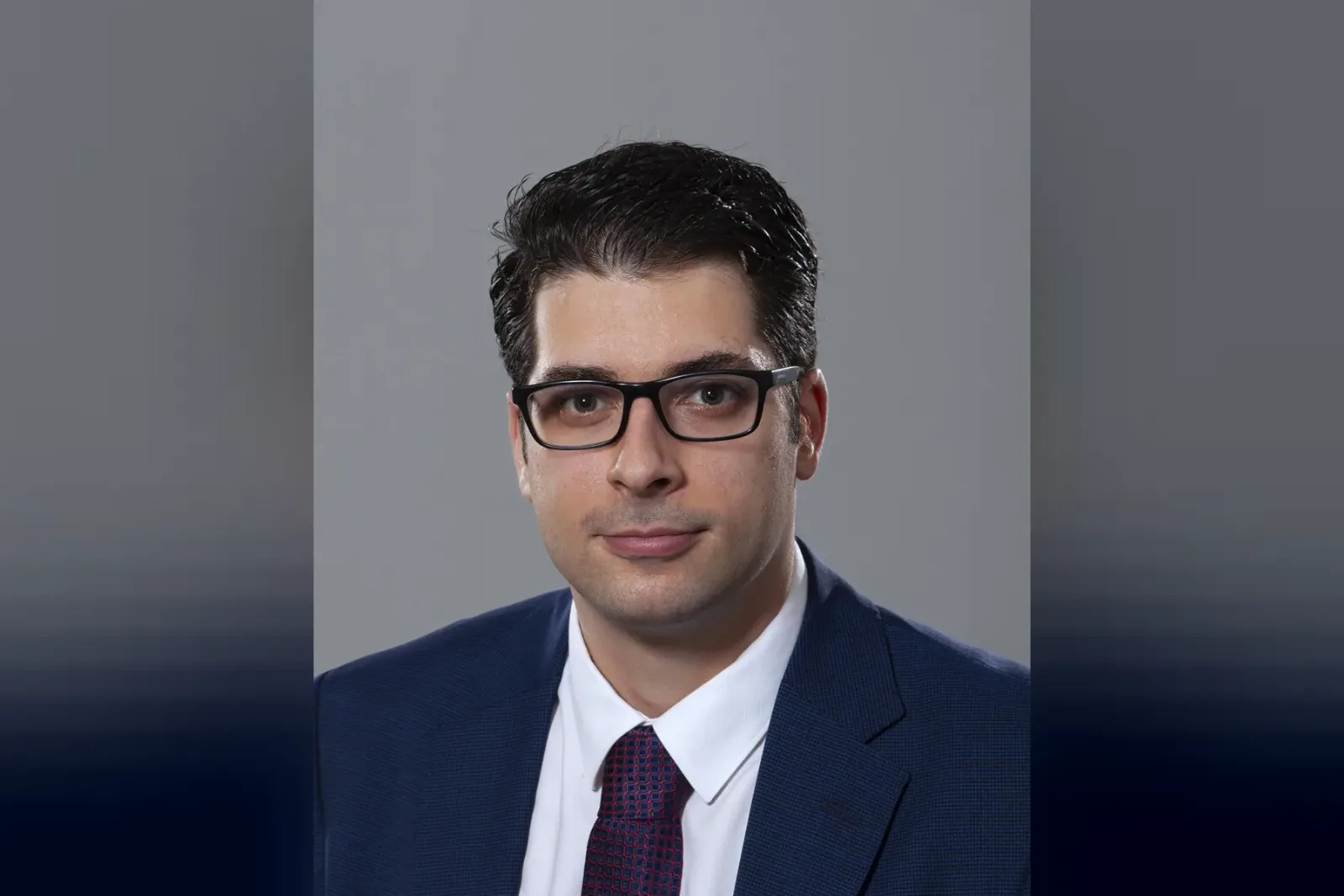
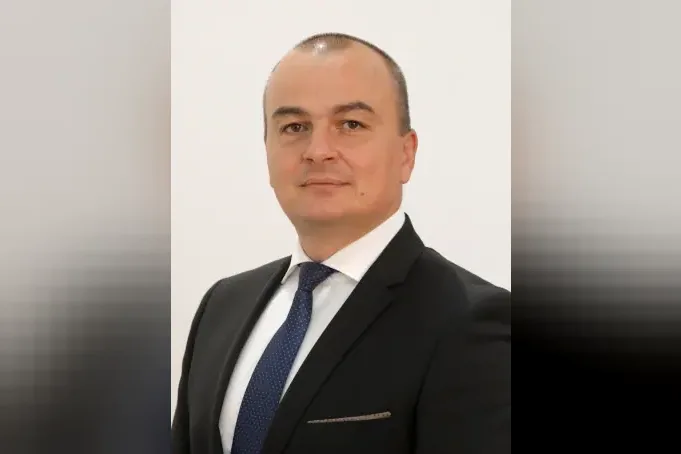
The minimum wage should rise gradually, not automatically, so the economy stays competitive, deputy prime minister Atanas Pekanov said in a TV interview.
The figures under discussion are between €660 and €670. The opposition wants €690. The cabinet's proposal is close to the highest sum the current formula allows.
Higher labour costs are not necessarily bad, Pekanov said, because they help wages catch up after years of lagging behind inflation.
The budget is tight and the deficit must fall, so social policy has to fit what the state can afford, he said. The minimum wage is tied to the indexation of many payments, so a higher wage means more state spending.
The deputy prime minister said the government is trying to cut the deficit gradually and follows a moderate centre-left policy. He said social spending has been kept and even increased.
The €690 figure comes from the opposition's reading of the rules, Pekanov said. Trade unions naturally want more, but decisions must stay within what the economy can really afford.
Capital spending on projects cannot be cut, he said, because investors watch the roads, motorways and the upgrade of the energy system.
The Irish presidency proposes a smaller EU budget, but with cohesion funds kept. Pekanov said the idea is acceptable, because Bulgaria pays for its projects from these funds.
The European Commission proposes that part of the money would not be guaranteed for each country, but would go into a common competitiveness fund. The deputy prime minister thinks this would put Bulgaria in a very hard position. In such a fund, all companies compete against each other, and some large firms have the latest technology and can take on American and Chinese rivals.
Between 100 and 150 staff have already been let go in some of the ministries, Pekanov said. He said this is part of the changes in the state administration.


Comments (0)
No comments yet.