
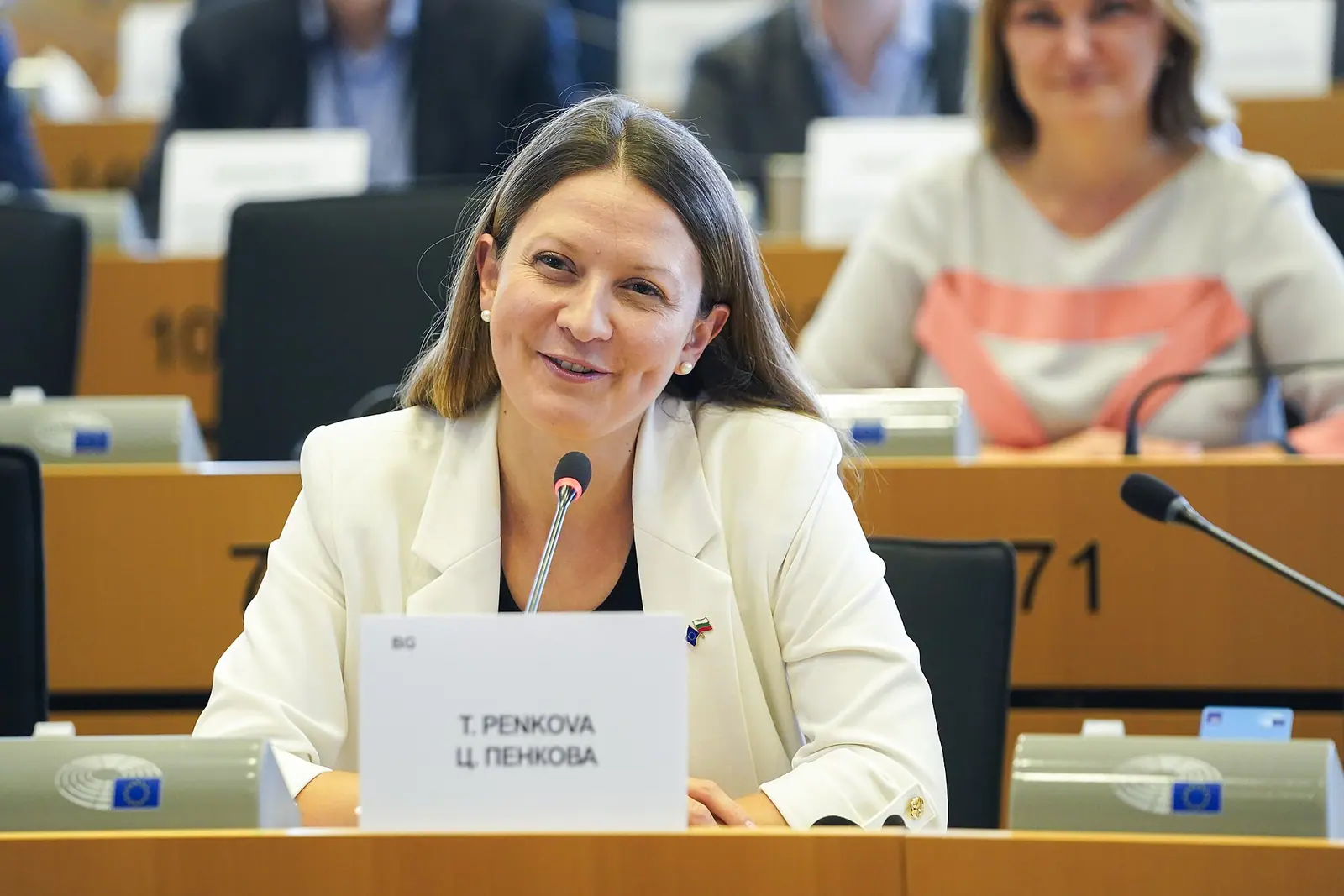
Bulgaria serves as a prime example of the energy storage challenge, MEP Tsvetelina Penkova emphasized during the online discussion "Ask an MEP: What is the future of energy in Europe," organized by the European Parliament Office in Bulgaria.
The vast discrepancy in electricity costs is one of the primary factors hindering the formation of a unified European energy union. During the event, Penkova, who is Vice-Chair of the Committee on Industry, Research and Energy (ITRE) and rapporteur for the Trans-European Networks for Energy (TEN-E) Regulation, highlighted that countries in Central and Eastern Europe maintain some of the highest average annual electricity prices.
According to the MEP, these price disparities undermine European competitiveness. She explained that if equal conditions are not provided for businesses — for example, in Denmark versus Bulgaria — companies will naturally gravitate toward cheaper energy resources. The problem stemming from the lack of connectivity must be addressed through the TEN-E Regulation. "The goal of the Trans-European Networks for Energy Regulation is to resolve this issue of price differences and achieve a long-term reduction in electricity prices," Penkova explained.
Currently, the power transmission architecture relies on individual projects, but it is critical to develop a unified, common scenario for the future grid. The effective implementation of the regulation will lead to real price changes for both the industrial sector and end consumers (households). Penkova identified this as a fundamental condition for economic development and for retaining young people in Europe, adding that energy is precisely the key to a progressive and prosperous future for the continent.
In the context of energy connectivity, the MEP divided priorities into three main areas:
- security of supply, which requires the availability of all necessary power generation capacities;
- guaranteeing low and predictable electricity prices;
- reducing emissions, which is an integral part of European policies.
EU energy policies and electricity costs have a direct impact on the monthly expenses of households in Burgas and the entire region.
Penkova reminded that during the autumn-winter period, electricity prices in Bulgaria, Greece, and Romania reach levels that are between 8 and 10 times higher compared to those in Northern Europe.
Коментари (0)
Все още няма коментари.