
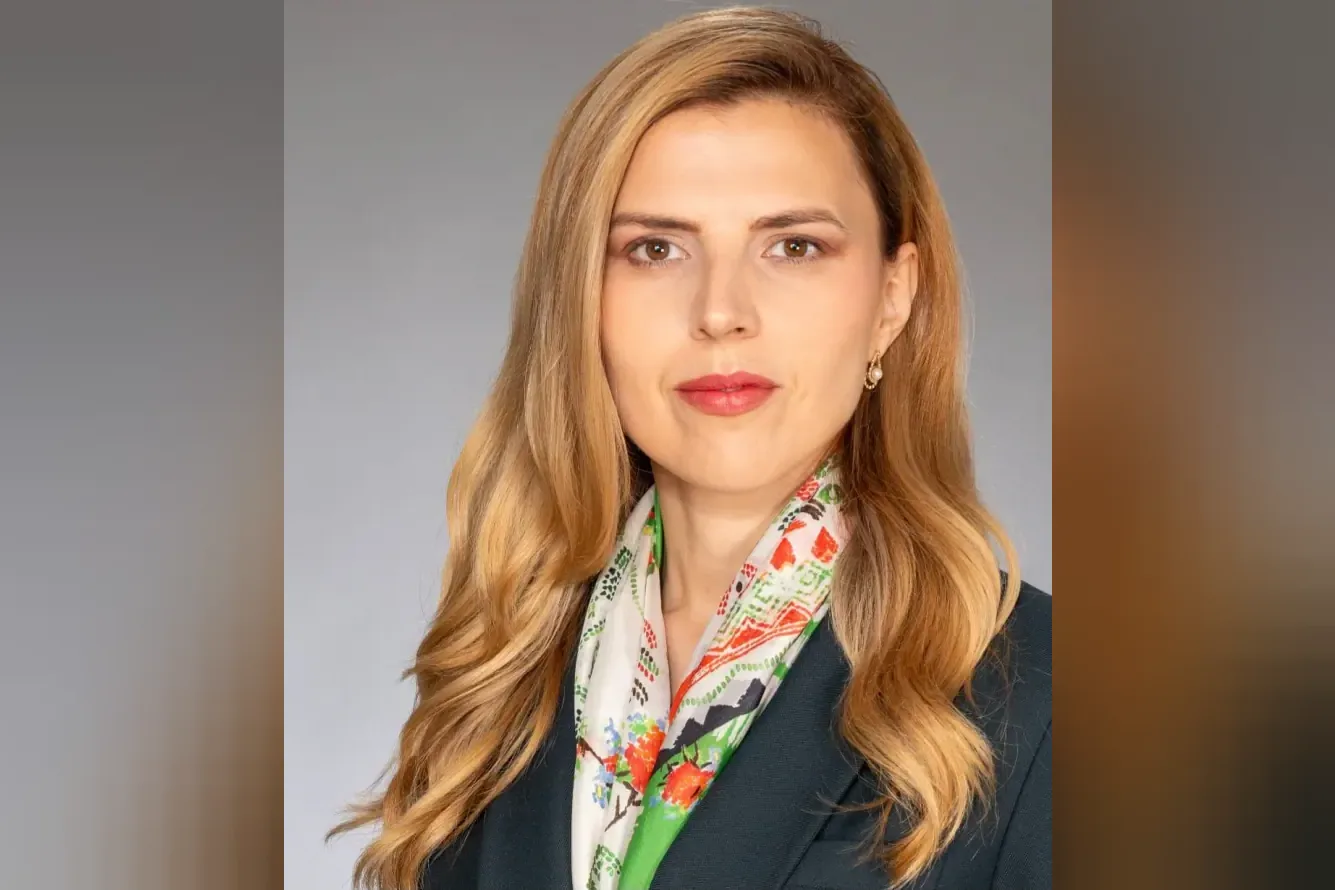
The two ships in Bulgaria's economic zone are a sign of escalation that now reaches the Black Sea and raises the risk for the country, foreign minister Velislava Petrova said on Bulgarian National Television's "Speak Now" programme. She does not see the incidents as an attack on Bulgaria, because they did not happen on Bulgarian territory or in its waters. But the war Russia began with its full-scale invasion of Ukraine in February 2022 brings risk close to Bulgaria's borders, she said.
This report follows our earlier story on the two merchant ships struck by drones on the night of 6 October in Bulgaria's exclusive economic zone in the Black Sea. The Togo-flagged ship sank, and the second was damaged.
Allies have expressed solidarity with Bulgaria. Diplomatic and agency contacts continue, and Bulgaria is ready to receive more information and help. Petrova said security in the Black Sea is a European and NATO matter, not only a national one.
Under Article 4 of the North Atlantic Treaty, allies consult each other when any of them believes its territorial integrity, political independence or security is threatened. The talks that were needed have already taken place, whether or not the procedure was formally triggered, Petrova said. The issue could also go to the EU foreign ministers' council, which meets on Monday.
Petrova said the ministry has received no evidence from Ukraine about what happened to the ships, and Bulgaria has not given Ukraine any information confirming the circumstances. She said a way must be found to stop attacks on merchant ships in the Black Sea. In her view, the lasting solution is peace and real negotiations, and the war began with Russia's invasion of Ukraine.
Petrova said economic ties may serve some interests, but on their own they will not bring peace. Other conditions are needed too. It will become clear whether the Russian diesel deal announced by US president Donald Trump will bring fuel prices down, but so far there is no sign of an effect.
The minister said the Burgas refinery must keep working and Bulgaria should take part in keeping it running. A possible deal needs permission from the Russian side and an investor with enough money. Talks are also under way on sending gas from Bulgaria to Ukraine through Turkey. This depends on an agreement between Bulgartransgaz and Ukraine's Naftogaz and on enough gas being available, and the relations are commercial.
A Bulgarian medical team is to examine Iva Mihaylova in North Macedonia, in Kochani or Skopje, and the aim is for the visit to take place in the coming days. North Macedonia has confirmed through diplomatic channels that it is ready to let the doctors in. Petrova said the examination will allow an objective assessment of her condition, but will not by itself settle the question of her treatment.
Bulgaria is open to dialogue with North Macedonia but expects it to keep the commitments it has made, and trust is built with actions, not words, the minister said. The main priority is equal rights for Bulgarians there, and rising tension could make their conditions worse. Petrova has not heard of any NATO initiative to mediate, and Bulgaria's position has not changed. She said Corridor 8 needs political will.
Bulgaria will host a high-level summit on the Middle Corridor next spring, prepared together with the European Commission. Petrova said the aim is for the forum to deliver not only political messages but also specific investment projects and decisions on how to fund them. The transport ministry has presented a plan with priority projects for infrastructure links, and energy projects are also being discussed.
The foreign ministry took no part in organising prime minister Rumen Radev's meeting with Kyrylo Budanov, head of the office of Ukrainian president Volodymyr Zelensky. Petrova did not comment on what was discussed and referred the question to the prime minister, but said it is important that there was a dialogue.
The agreement with Greece on returning the remains of Tsar Samuel concerns only cultural and historical heritage, not other bilateral issues. Petrova called it a success for Bulgarian diplomacy and gave the credit to Bulgaria's ambassador in Greece and to prime minister Radev's personal involvement.



Comments (0)
No comments yet.