
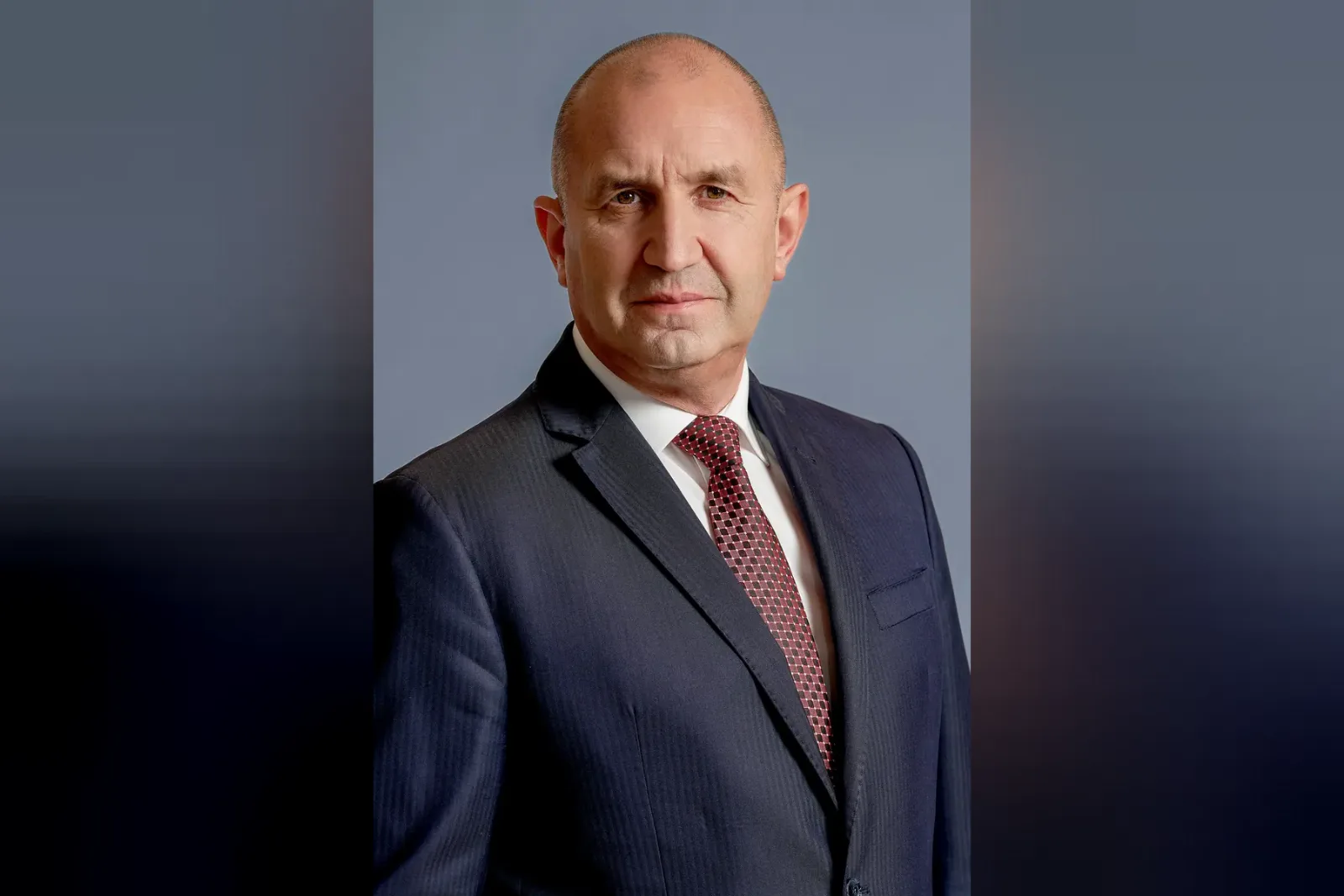
The draft 2027 budget plans new debt of €8.6bn, or 31.4% of GDP. The Finance Ministry published it on Friday. The Vazrazhdane party criticised it, saying debt is growing while family incomes struggle to keep up with prices.
A week ago, after voting in the second round of the presidential election, prime minister Rumen Radev told reporters the budget would go to parliament in the next few days.
The previous development: Radev: 2027 budget to be submitted to parliament in the coming days
Earlier the same day, Radev and deputy prime minister and finance minister Galab Donev presented the main figures at the University of National and World Economy. The draft law was published afterwards.
The plan is for new debt of €8.5bn in 2028 and €7.9bn in 2029.
The minimum wage rises by €40 to €660. The maximum income on which social security contributions are paid is set at €2,400. Public sector pay goes up 5% and pensions 7.8%, with the pension rise starting in July.
The state administration will spend 10% less on staff, and more than 5,000 posts will go. The budget also brings a 7% tax on meal vouchers, and the benefit for the second year of maternity leave is €450.
Vazrazhdane says the government is piling up new debt while parents struggle to pay for food, bills and their children. It accuses those in power of running up the state's debt instead of getting the crisis under control, and of leaving the bill to future generations. It points to budget figures of almost €56bn in spending and a deficit of €4.9bn.
The party also cites inflation of 5.7% in September and price rises of 42.4% over the past five years. It says the prime minister himself admits the aim is to slow price rises, not bring prices down, and that people must accept dearer food and heating. "It is a pity that the government's excuses cannot be eaten, do not pay the electricity bills and do not fill car fuel tanks," the party said in its statement to the media.
Vazrazhdane says the budget brings more uncertainty for working people. It says the tax on vouchers hits the extra support they get, and that €450 for the second year of maternity leave barely covers the real cost of raising a small child. On the one-off payment, it writes: "A one-off €50 payment cannot solve the problems of a family that pays bills, buys food and provides everything its children need every month."
The party says Radev took office promising to deal with the price crisis and not to raise taxes. Families, it says, see no relief, only new debt and a higher social security burden.
Vazrazhdane insists on measures to protect buying power, including lower VAT on fuel, because dearer fuel pushes up the cost of food, transport and basic goods.
Comments (0)
No comments yet.