
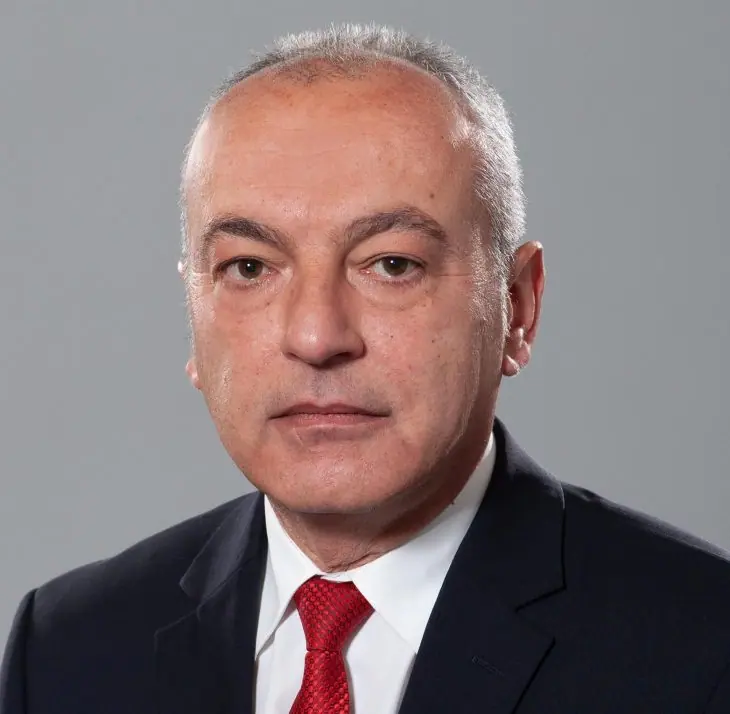
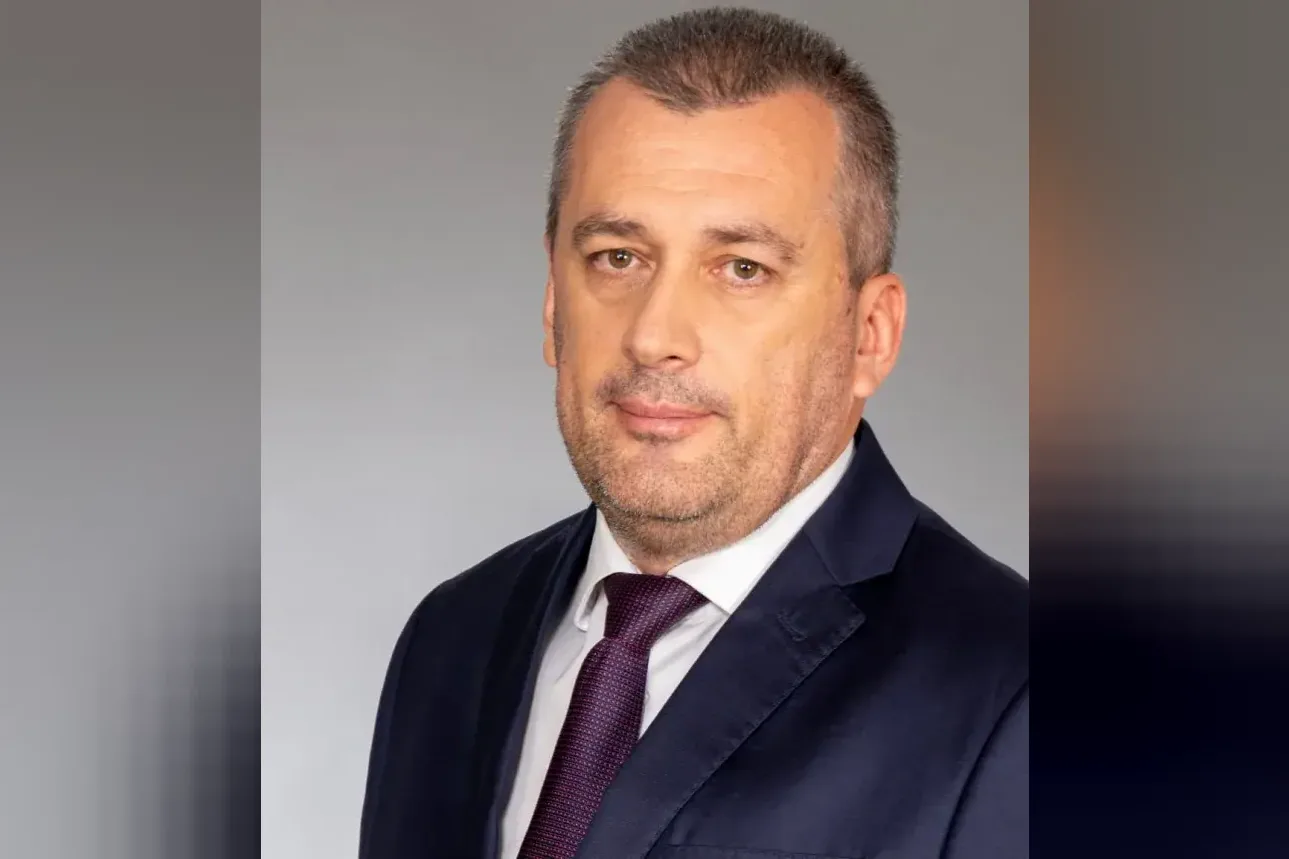
Kiril Valchev, director general of the Bulgarian news agency BTA and vice president-elect, told Bulgarian National Television (BNT) that a presidency of consensus, not the barricade, won the election.
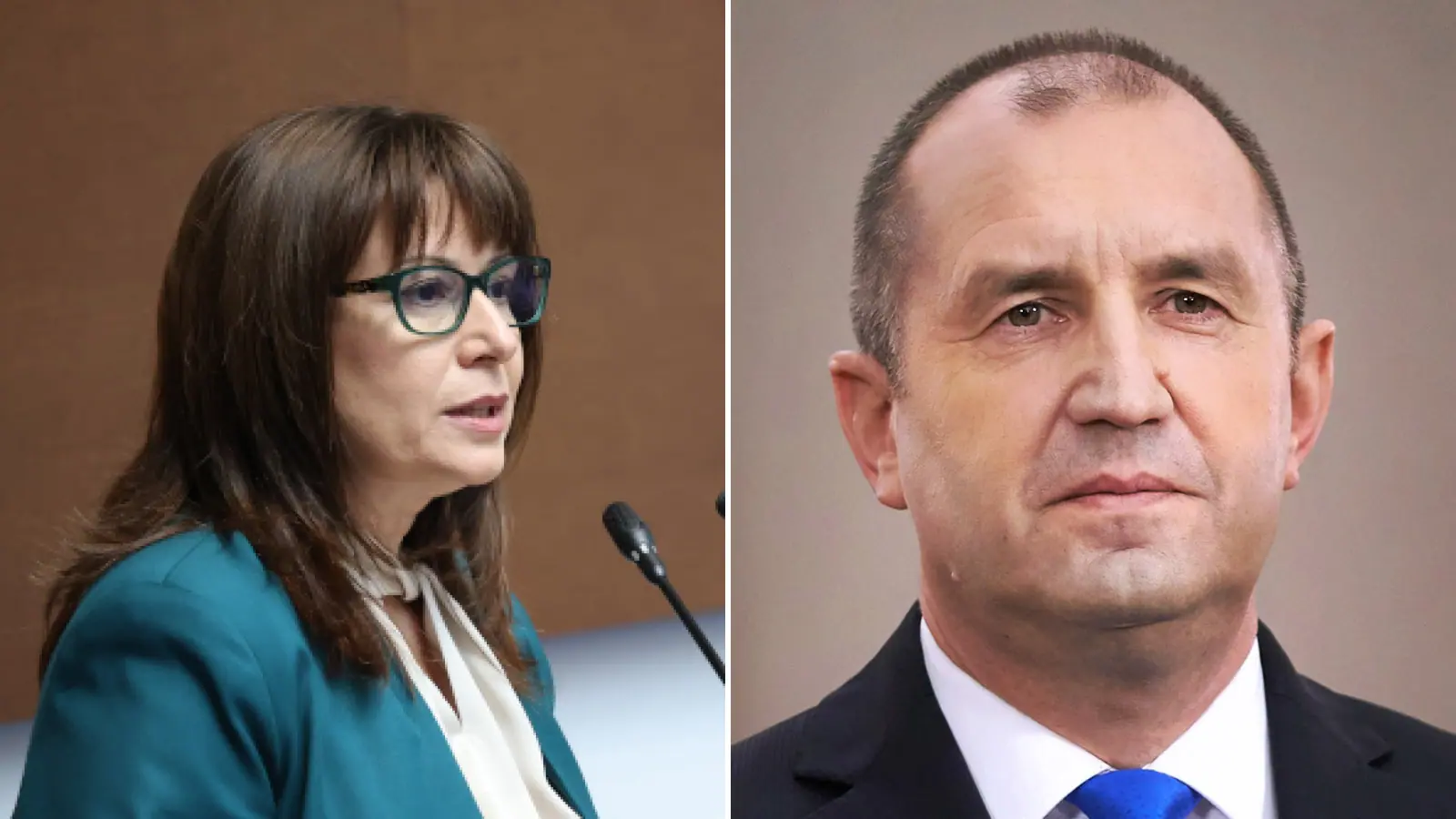
He and Iliana Yotova won the 1 November runoff with 57.566% of the vote. On Wednesday, Central Election Commission spokeswoman Stoyanka Balova officially announced them as president and vice president.
How it all started: Iotova and Valchev elected Bulgaria's president and vice president with 57.566%
Valchev stressed that Bulgaria will have a woman president for the first time. He described Yotova as a person with great experience in government, deep knowledge and a mission for Bulgaria. In his view, her election is a symbol of a nation that gave women the vote years before Greece, Portugal and Switzerland, and gave them secular education long before others. Valchev sees this as proof that Bulgarians think democratically.
"I think pro-Bulgarian forces won the election," he said. He added that people who call the win pro-Russian are pro-Bulgarian too.
On Rumen Radev, Valchev said the win would not have been possible without everyone who backed them. He said support from voters of all parties matters more.
On the budget, Valchev said he sees no reason why Radev would be left without support if teachers get a slightly bigger pay rise.
For years he has wanted journalists at public media to be put on an equal footing with teachers. In his view, the same group should include staff at libraries, museums, galleries, theatres and chitalishte (community cultural centres), who "guard the spirit of the country", as well as diplomats. Another topic for debate is systematic support for Bulgarian media abroad that work in Bulgarian.
Asked about Yotova's pardons, Valchev said that as a lawyer he does not give an opinion without facts. He would call them neither a mistake nor a trap. In his view, the main problem, both with the pardons and in society, is trust in the procedures and the expert assessments. He wants the procedures set by law, not by presidential decree, and wants parliament to discuss a single bill covering all kinds of expert assessments.
Valchev wants the Bulgarian language law, which passed at first reading in the plenary hall, to require signs in Bulgarian to use our alphabet. He also recommends mandatory signs in English, for clarity and competitiveness.
Parliament decides who will take over BTA. Valchev is leaving it "on the rise". He said his successor should be a permanent appointee who keeps and builds the network of correspondents, maintains ties with Bulgarian communities abroad and continues projects with EU institutions. His goal is for one more national news agency to start a free news exchange with BTA every month.
Valchev's advice to his successor is to develop artificial intelligence, but to put the biggest investment into "natural intelligence". He said artificial intelligence is an opportunity, not a threat.
Asked how much he spent on business trips, Valchev replied: "For 20 years I was a lawyer, and I travelled the world then." He said BTA paid for the trips, they were part of his job and they were made in the most economical way.
Valchev said the task in the coming "weeks and months" is to lower the tension. He is sure that he and Yotova will forget what was said about them and will listen to good ideas from all sides. He lives in the centre and will try to walk to work, to show the dignity of the country.

Comments (0)
No comments yet.